Introduction
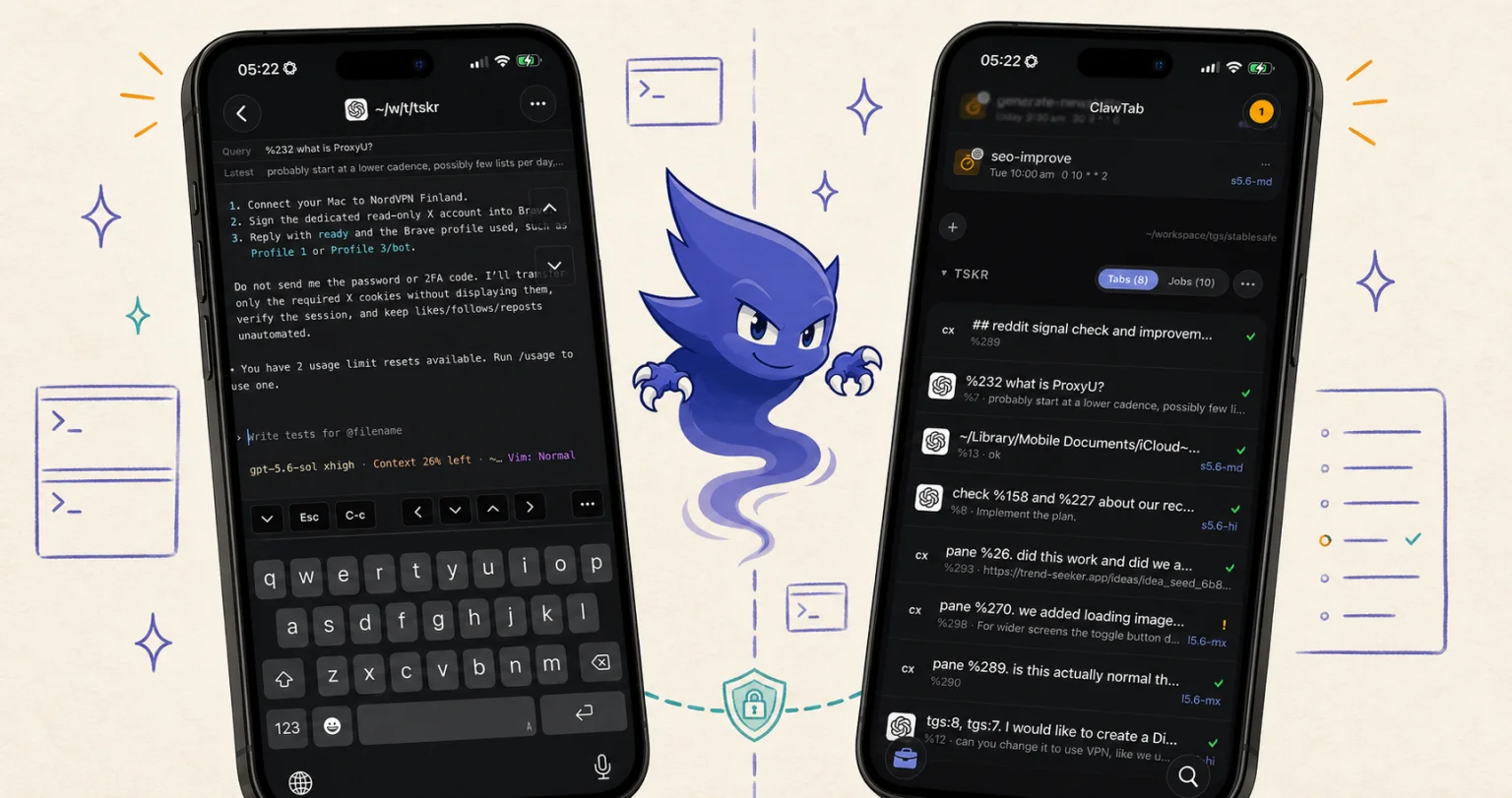
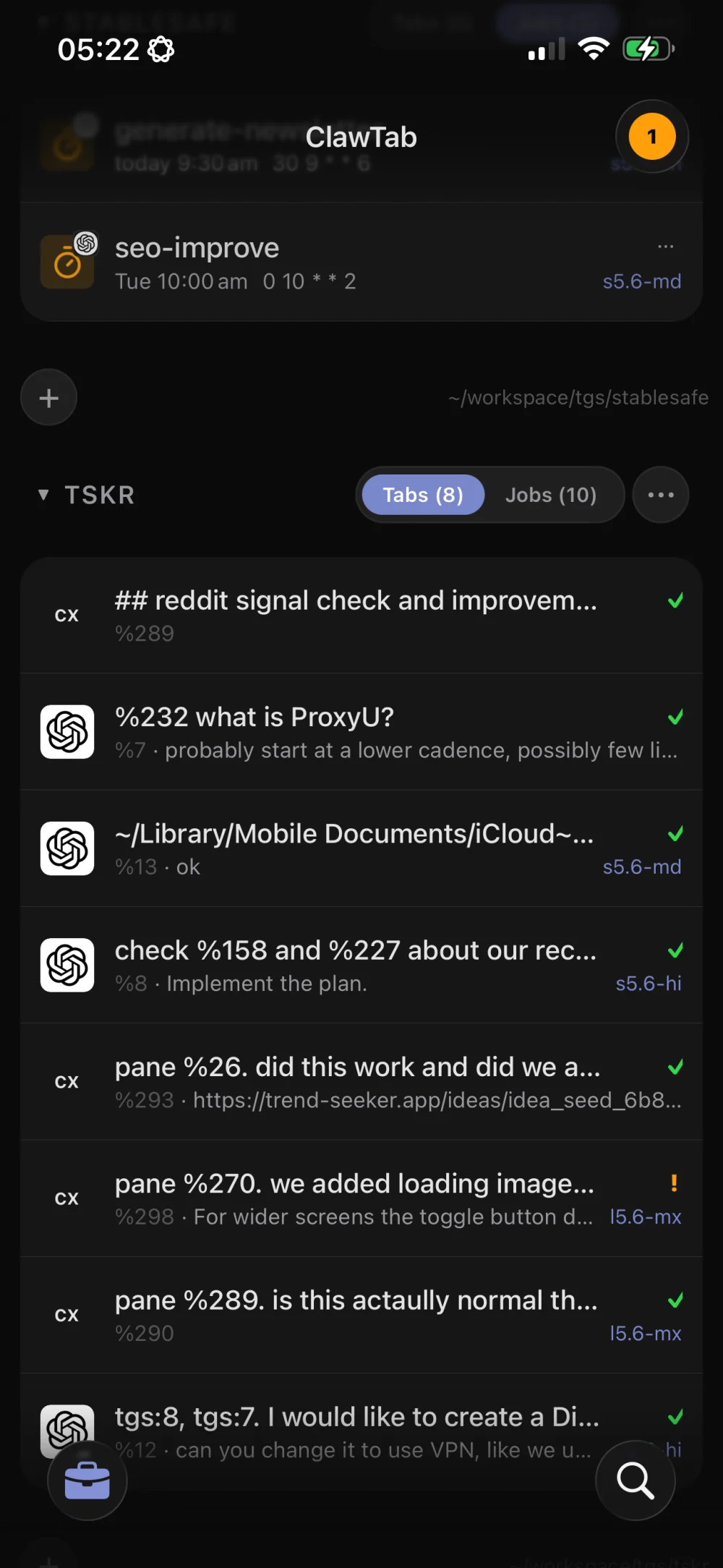
Can you control Codex CLI from your phone? Yes, but first choose which session you need. OpenAI documents desktop pairing for supported Codex chats and an experimental codex remote-control start and pair path for CLI hosts. For an independent Codex CLI process already running in tmux, ClawTab Remote streams and controls that same pane.
OpenAI's Remote view in the ChatGPT mobile app can connect to a trusted laptop, devbox, or remote environment. You can review terminal output, diffs, tests, screenshots, and approvals while the files and credentials remain on that machine. For a Codex-only workflow, this is the native path.
The attachment boundary still matters. The general Remote guide pairs ChatGPT mobile with a Mac or Windows desktop host, which can also start Codex on an SSH host. The separate CLI commands run a remote-enabled app-server and print a pairing code. Neither route means that every unrelated codex process already running in tmux is automatically imported as its original terminal pane.
This guide shows the current desktop and SSH setup, then compares it with ClawTab Remote, which controls the tmux workspace itself. That lower-level boundary matters when several providers share a workspace or scheduled shell jobs need the same phone interface.
What OpenAI's Codex Remote Connection Does
OpenAI describes Codex in the ChatGPT mobile app as a live view into trusted machines where Codex is working. The phone can load active threads and project context, show output as it arrives, and let you approve commands or change direction. OpenAI says screenshots, terminal output, diffs, test results, and approvals can flow back to the phone.
The execution boundary stays on the connected machine. Files, credentials, permissions, and the local toolchain do not move onto the phone. A secure relay keeps the machine reachable without requiring you to expose it directly to the public internet. See OpenAI's announcement, Work with Codex from anywhere, and the current Remote connections documentation.
| Native Codex mobile capability | What it means in practice |
|---|---|
| Remote view in ChatGPT mobile | Open supported Codex chats and connected hosts from a phone. |
| Live machine state | Follow active threads, terminal output, tests, diffs, screenshots, and approvals. |
| Local execution | The repository, credentials, tools, and permissions stay on the laptop or remote machine. |
| Secure relay | The trusted machine does not need a public inbound terminal port. |
| Codex-native scope | The mobile surface is designed around Codex chats and connected hosts, not every unrelated process in a tmux server. |
Set Up Codex Remote From Desktop or CLI
Desktop path: Install the latest ChatGPT desktop app on macOS or Windows, sign in to the same account and workspace as the phone, then open Settings > Connections > Control this Mac or PC. Choose Set up or Add, approve remote access, and scan the QR code with ChatGPT on iOS or Android. Once paired, Remote can start or continue supported Codex chats on the host, show diffs and tests, and handle approvals. The host must remain awake, online, and signed in.
Experimental CLI path: OpenAI's Developer commands reference also documents codex remote-control start to run a remote-enabled local app-server daemon and codex remote-control pair to print a short-lived manual pairing code. Run start on the host, then pair and enter the code in a compatible Remote client. The CLI path is marked experimental; check your installed codex remote-control --help and verify the connection before depending on it for unattended work.
For a project on Linux or another development server, add a concrete host alias to ~/.ssh/config, confirm normal SSH access, and install and authenticate Codex on that host. Then add the SSH host in the desktop app under Settings > Connections and choose a project folder. OpenAI's Remote connections guide documents both flows and warns against exposing the app-server transport directly on a public network.
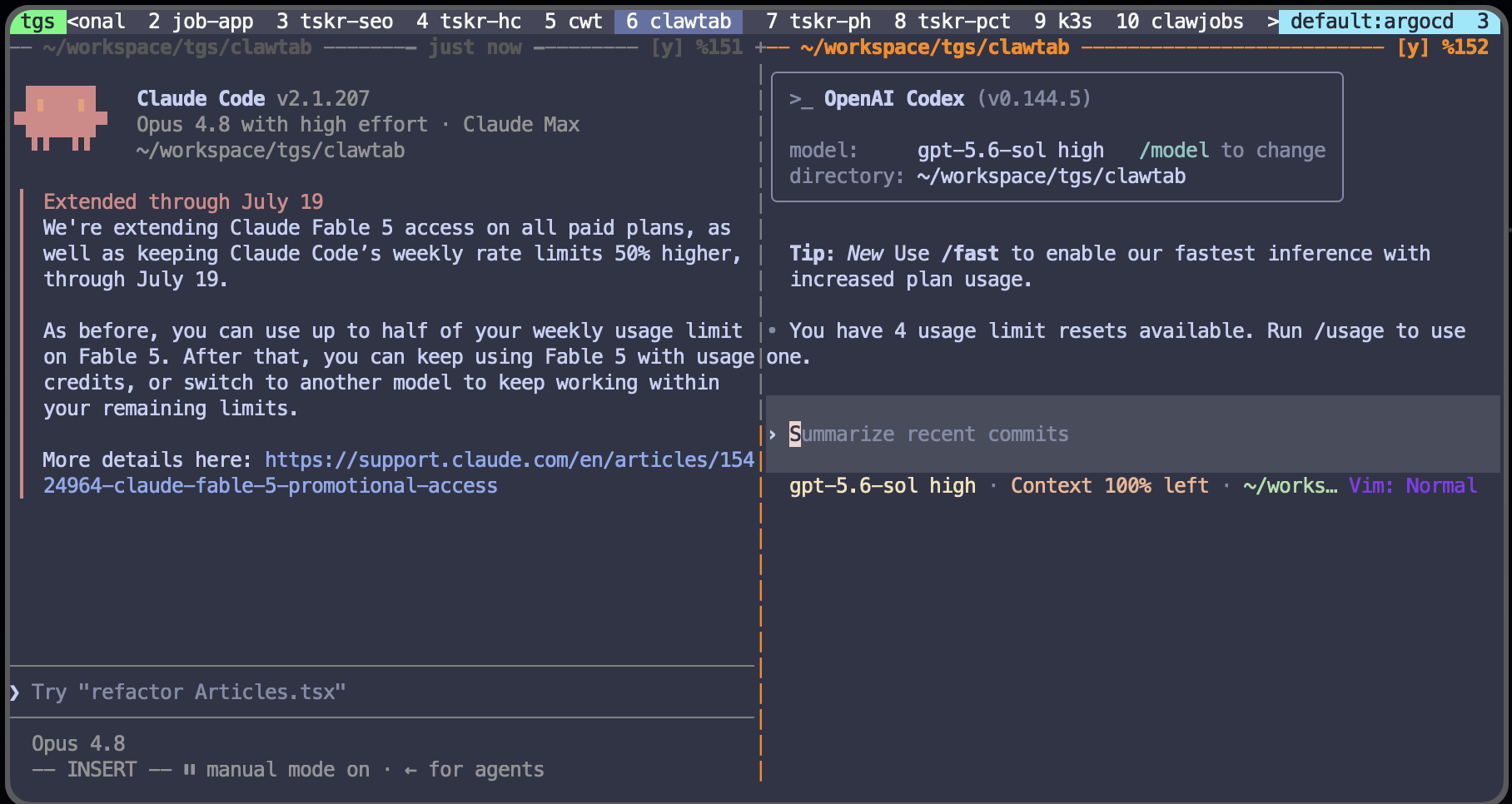
These Codex-native paths do not adopt every independent Codex process that you previously launched in tmux. If preserving the exact live pane, scrollback, shell state, and neighboring non-Codex processes is the requirement, connect at the tmux layer instead.
Codex Mobile vs ClawTab Remote
The products overlap at the phone, but they attach at different layers. OpenAI owns the Codex conversation and can present structured Codex artifacts. ClawTab owns the local tmux workspace and can present the terminal processes running inside it.
| Question | Codex mobile Remote tab | ClawTab Remote |
|---|---|---|
| What does the phone attach to? | A supported Codex chat or connected host | A local ClawTab and tmux workspace |
| Providers | Codex | Codex CLI, Claude Code, OpenCode, and shell panes |
| Structured Codex artifacts | Threads, diffs, tests, screenshots, approvals, and project context | Live terminal state, detected questions, pane input, job state, and schedules |
| Existing tmux pane with its original shell state | Not the native attachment boundary | Yes, when the pane is part of the ClawTab workspace |
| Scheduled local jobs | Use Codex's supported scheduling surfaces | Standard cron-backed ClawTab jobs share the same remote view |
| Machine needs to stay reachable | Yes, for work executing on that machine | Yes; tmux survives terminal disconnects, not machine sleep or power loss |
Choose the native Codex path when one provider owns the whole workflow and its structured review experience matters. Choose ClawTab when the operational unit is a local pane rather than a provider conversation. The broader local versus cloud coding agent comparison covers what changes when the task should run independently of your workstation.
A Real Local-Agent Approval Flow
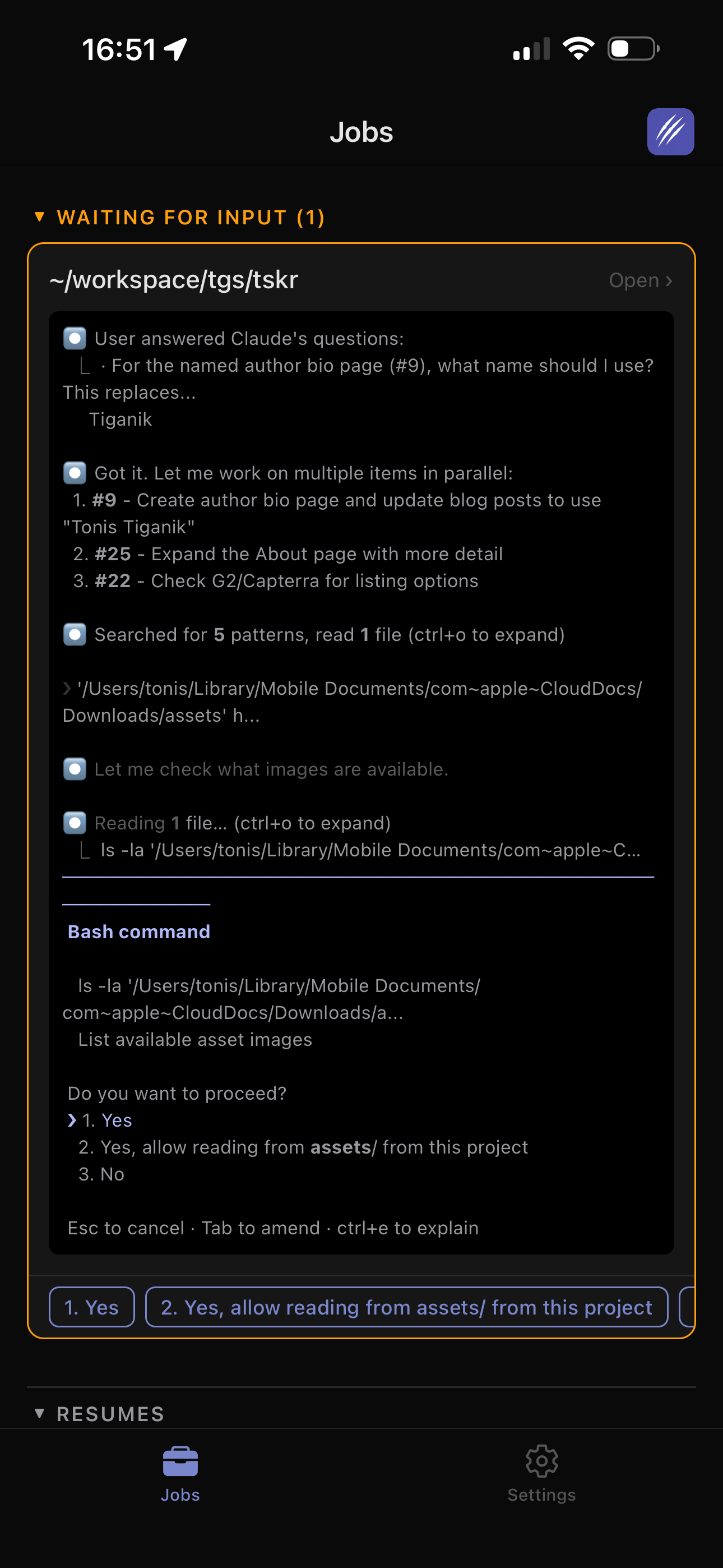
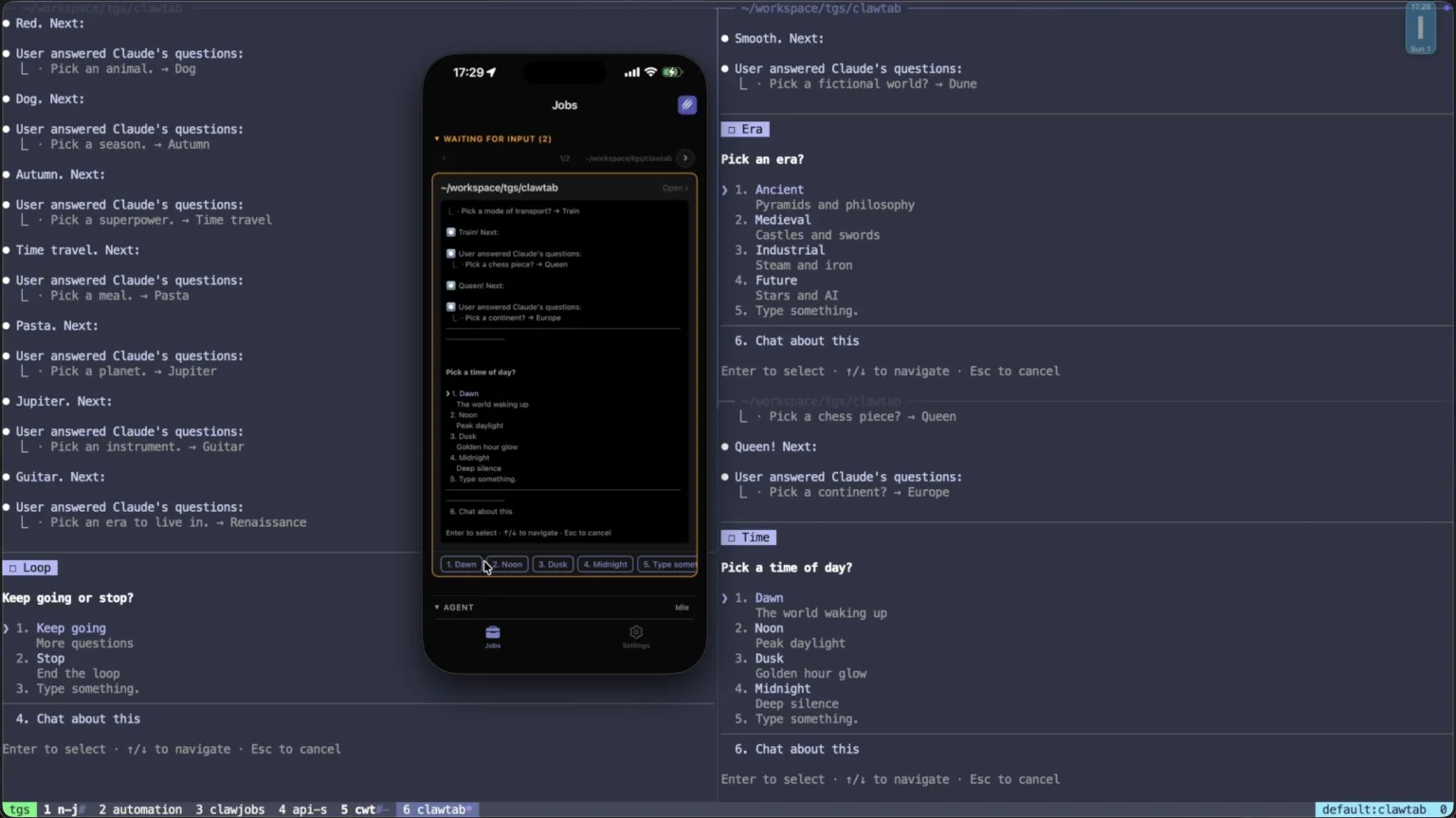
A remote-control system earns its keep at the blocking point. The agent asks for permission or a choice, the phone shows enough recent output to make the decision, and the answer returns to the same local process.
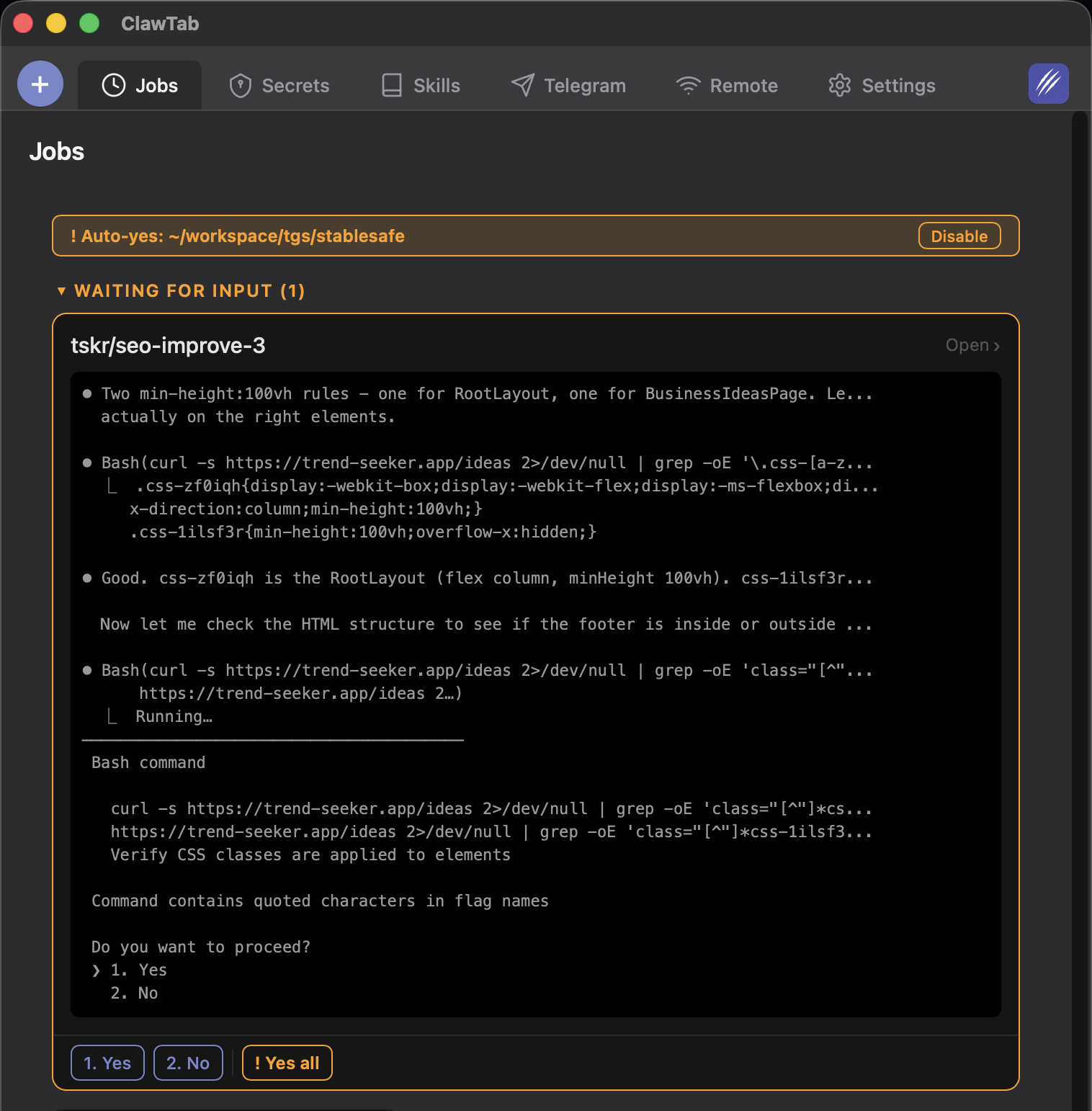
The screenshot below shows ClawTab detecting interactive questions in local tmux panes and rendering the active prompt as mobile buttons. This captured run uses Claude Code, which makes the prompt boundary easy to see. The transport itself is pane-based: Codex CLI and OpenCode panes use the same live-output and input route, while prompt parsing adapts to the terminal UI each provider emits.
Set Up Phone Access Without Publishing a Terminal
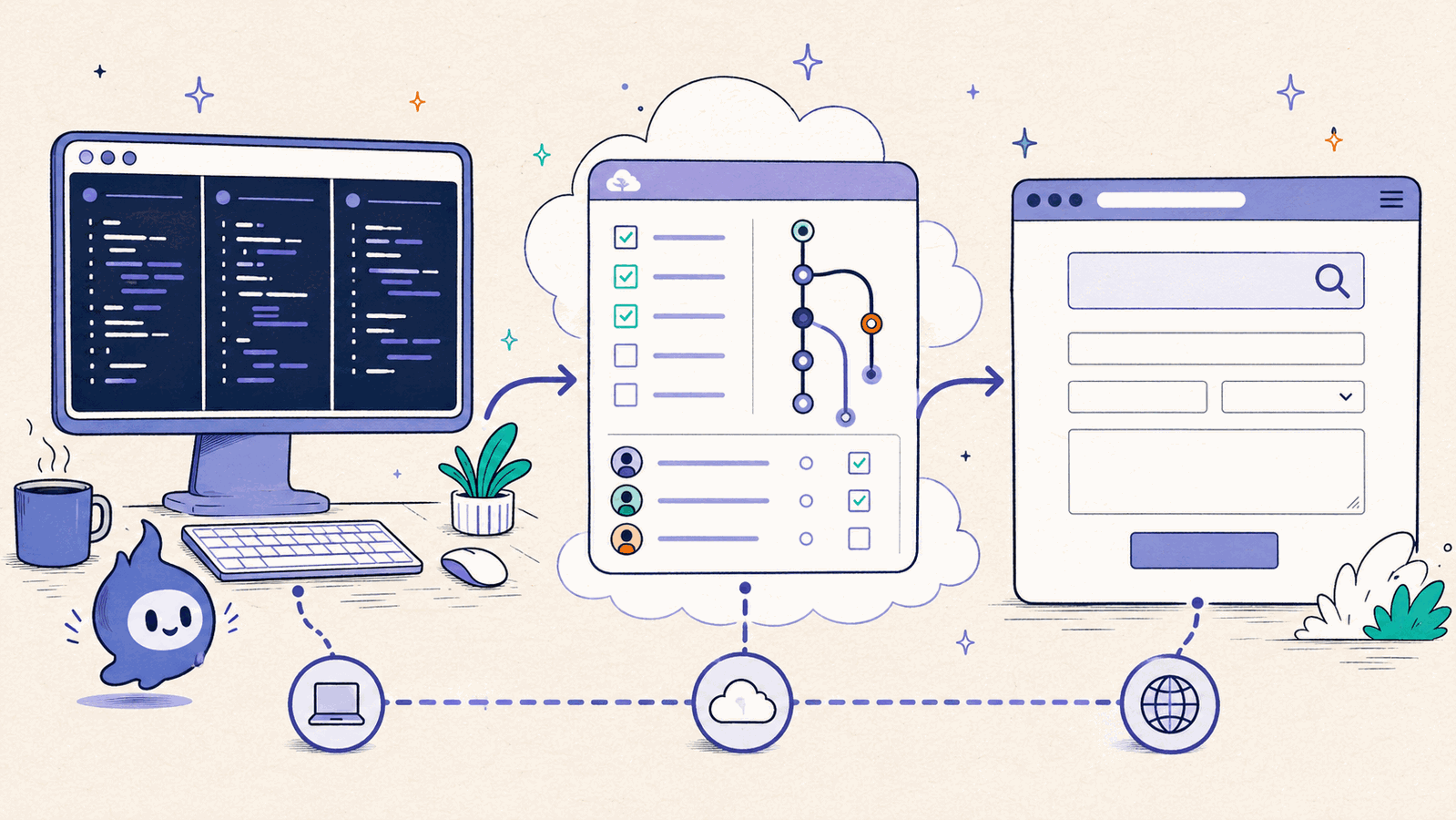
Do not solve this by forwarding SSH or a raw terminal port to the internet. Both the native Codex route and ClawTab use an outbound relay model so the development machine stays behind its normal network boundary.
- Pick the attachment layer. Use OpenAI Remote for a Codex-native chat or host. Use ClawTab when the target is an existing tmux pane or a mixed-provider workspace.
- Keep the repository on the machine that runs the agent. Start the job in the intended checkout or, for multiple writers, a dedicated Git worktree and tmux pane.
- Connect the mobile client through the product relay. Sign in to ChatGPT mobile for native Codex access, or pair the ClawTab iOS/web client with the desktop app.
- Test a harmless approval. Ask the agent to run a read-only command that requires confirmation. Verify that the phone shows the command and enough surrounding output before allowing it.
- Test reconnection. Detach the terminal, switch the phone between Wi-Fi and cellular, and confirm that the same thread or pane returns.
tmux preserves the process when the terminal disconnects. It does not keep a sleeping or powered-off Mac online. If the job must continue with no dependency on your machine, use a hosted Codex task instead of remote control of a local process.
Use One Phone View for Codex, Claude Code, and OpenCode
Provider-native remote control is usually the best client for that provider. The trade-off appears when a workspace contains more than one agent type.
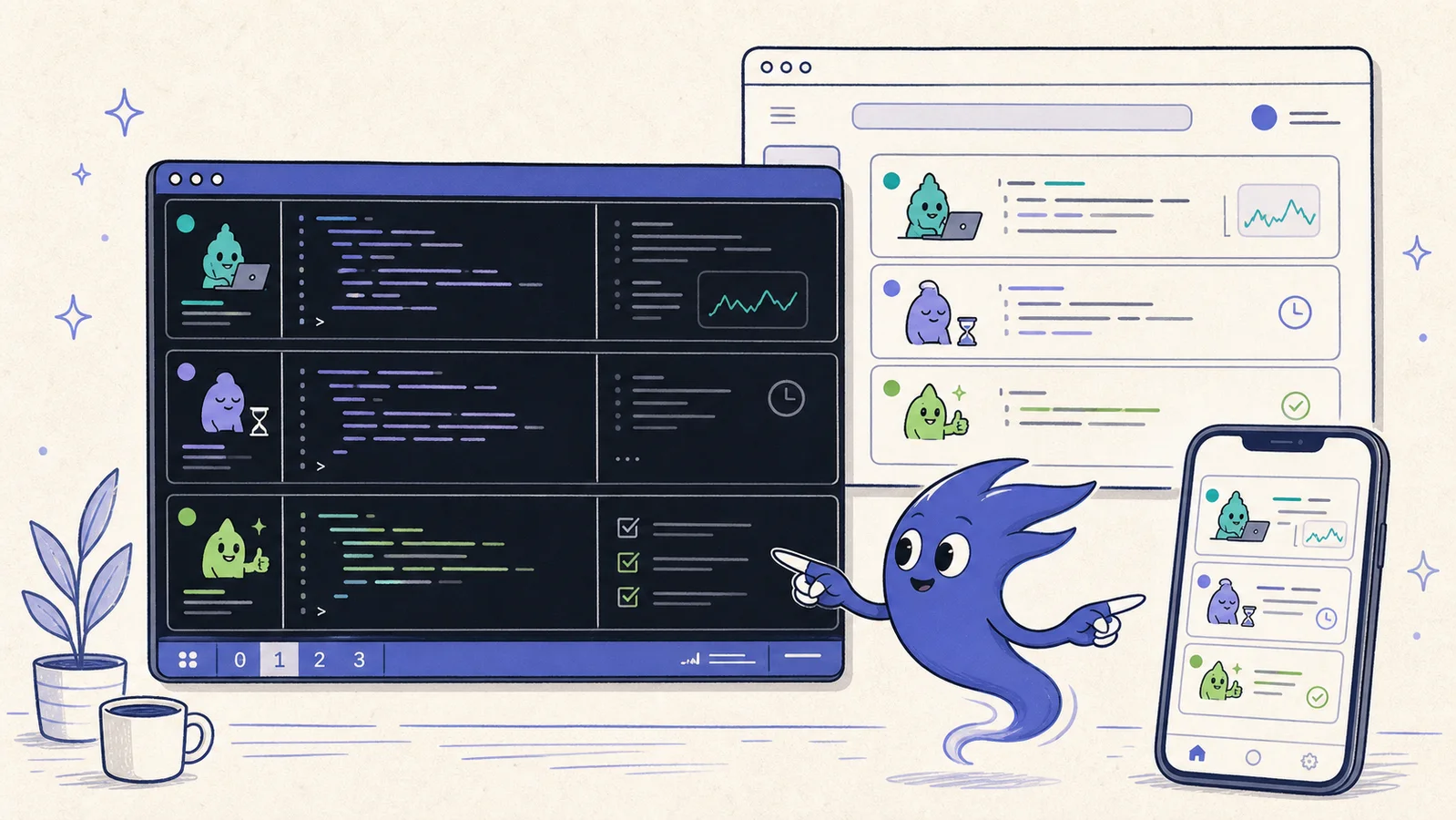
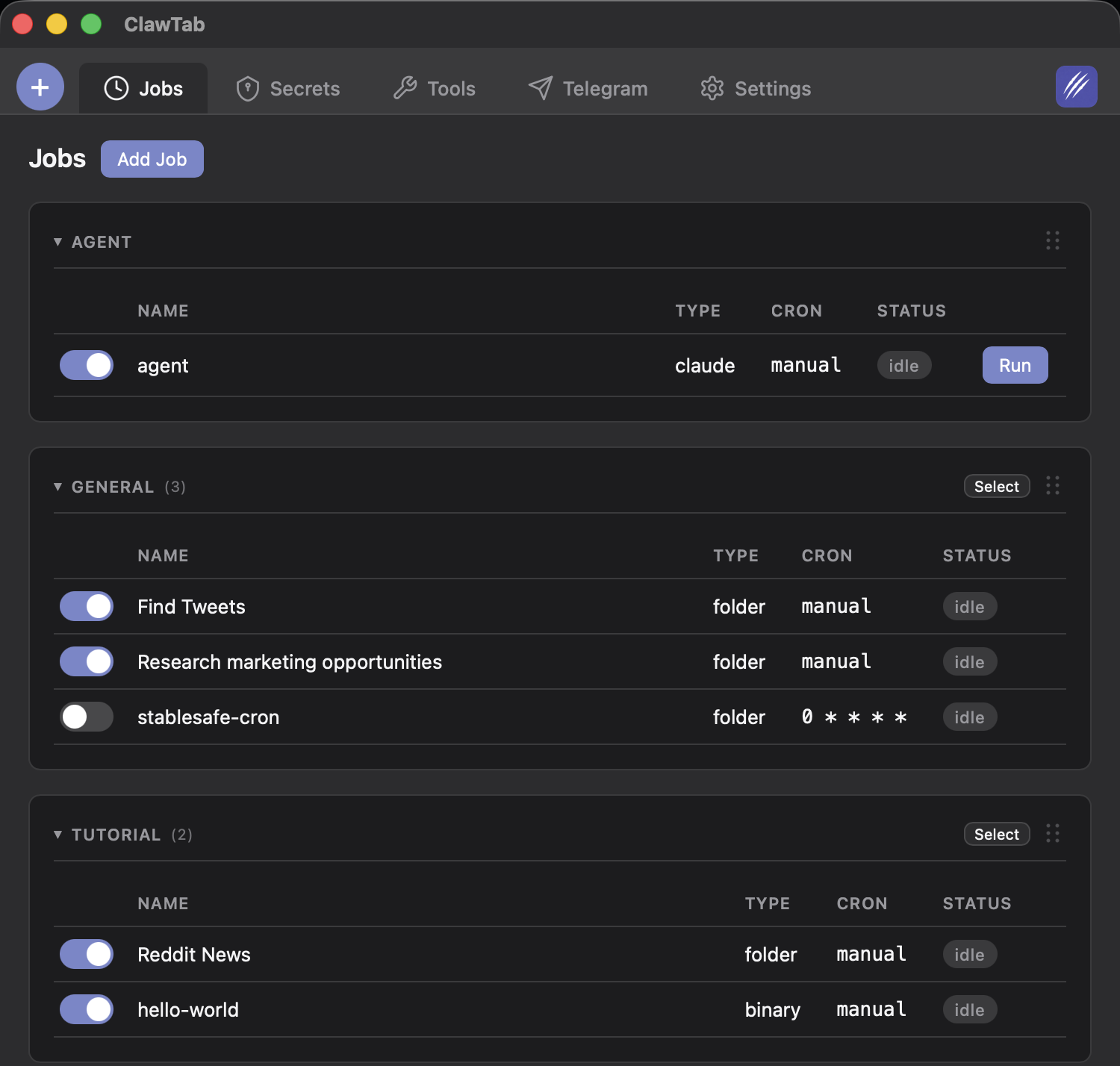
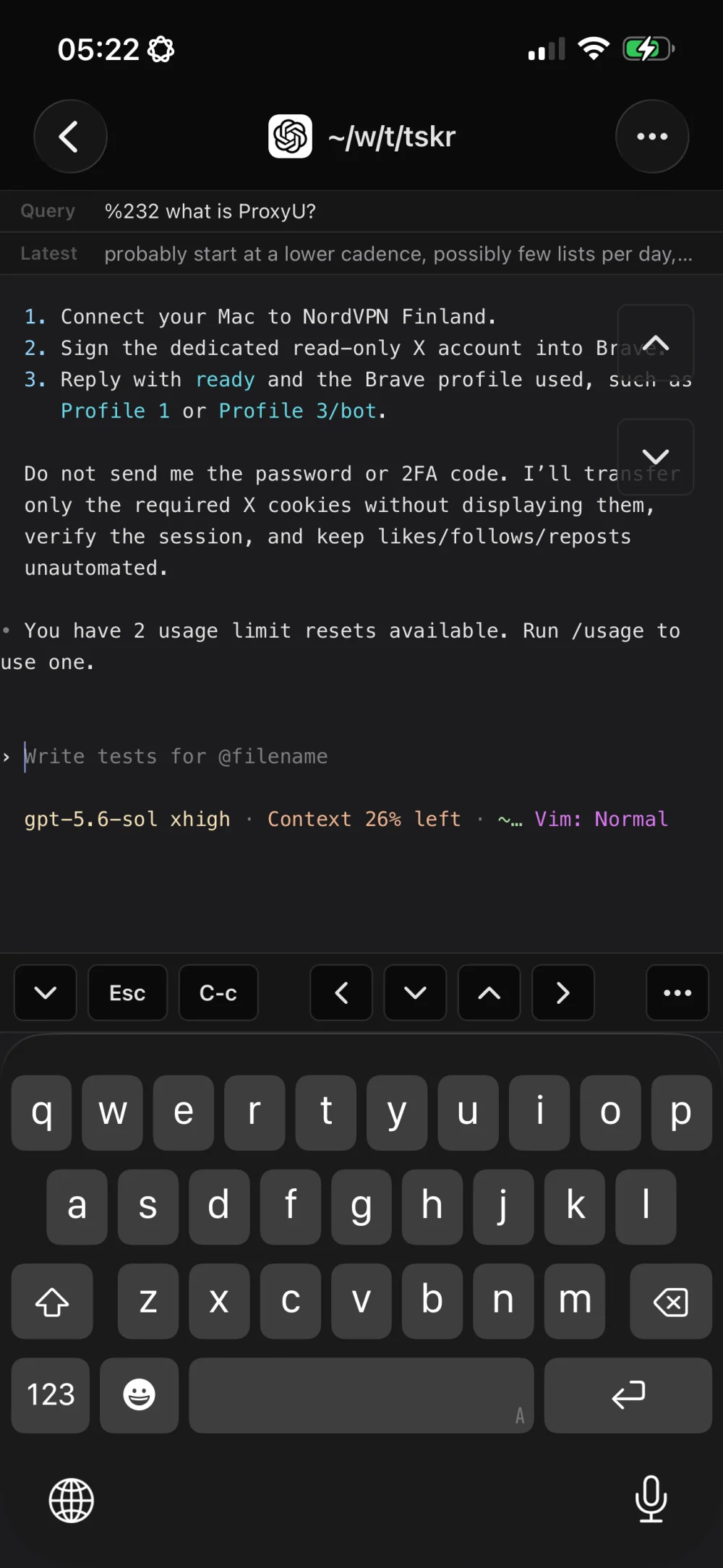
A common local setup has Codex reviewing one worktree, Claude Code implementing in another, OpenCode handling a smaller task, and ordinary shell panes running tests or a local service. Opening separate provider apps does not show whether the full workspace is healthy. A tmux-level view does.
- One process boundary: each agent remains an ordinary tmux pane with its existing CLI state.
- One mobile queue: waiting prompts from different panes appear together instead of being split by provider.
- One scheduling layer: cron jobs and interactive agents can share the same local machine and remote status view.
- One permission policy per pane: use manual approval by default, then enable auto-yes narrowly for a trusted, isolated task.
This is the main reason to add ClawTab around Codex CLI. It does not replace Codex's models, reasoning, diff review, or native mobile experience. It gives several local tools one operational home.
Does Codex CLI Have Remote Control Like Claude Code?
Both providers offer a phone path, but the setup differs. Anthropic's Remote Control documentation connects a local Claude Code CLI or VS Code session to claude.ai/code and the Claude mobile app. OpenAI's general Remote guide pairs a phone with a ChatGPT desktop host, while its developer reference documents experimental CLI pairing. Neither provider's mobile view is a general dashboard for every Claude Code, Codex CLI, OpenCode, and shell pane already running in tmux.
Claude's native path supports browser and mobile conversation sync, permission handling, file attachments, push notifications, and multi-session server mode. For a Claude-only workflow, use it. See Anthropic's Remote Control documentation.
Use ClawTab when the boundary is broader than Claude: mixed providers, existing tmux panes, shell processes, cron schedules, or one phone queue for the whole local workspace. This is the same decision as Codex native versus ClawTab—provider conversation versus terminal control plane.
Security Questions to Answer Before Leaving the Desk
Remote control keeps execution local, but it expands who can approve local actions. Treat the phone as a privileged development client.
- What is exposed? Prefer an authenticated outbound relay. Do not publish tmux, SSH, or a web terminal directly.
- Where does session data live? Read the provider's retention policy. Local execution does not mean that every message, transcript, or artifact stays only on the workstation.
- What can one approval do? Keep sandboxing and least-privilege credentials enabled. A phone-sized screen is a poor place to approve a long destructive command.
- Can you identify the target? Name each project, worktree, and pane clearly so an approval cannot land in the wrong repository.
- What happens after theft? Require device authentication, keep account recovery current, and revoke the mobile session immediately if the phone is lost.
ClawTab connects its desktop and mobile clients through TLS and a relay rather than opening an inbound terminal port. The existing remote access guide covers its connection model, push notifications, and self-hosted relay option in more detail.
Which Remote Coding Agent Setup Should You Use?
| Your actual requirement | Start here |
|---|---|
| Review and steer supported Codex work with native diffs, tests, and approvals | ChatGPT mobile Remote |
| Continue one or more local Claude Code sessions from mobile or browser | Claude Code Remote Control |
| Reach a standalone Codex CLI process already running in tmux | ClawTab Remote |
| Monitor Codex, Claude Code, OpenCode, and shell panes together | ClawTab Remote |
| Run when the laptop is asleep or disconnected | Codex cloud or another hosted agent environment |
| Operate a production service with no interactive prompts | A process supervisor and deployment tooling, not a coding-agent phone UI |
Start with the provider-native client when it covers the whole job. Add a local control plane only when the terminal session, tmux workspace, or mixed-provider queue is the real source of truth. For a wider tool comparison, see the guide to multiple AI coding agents and managers.